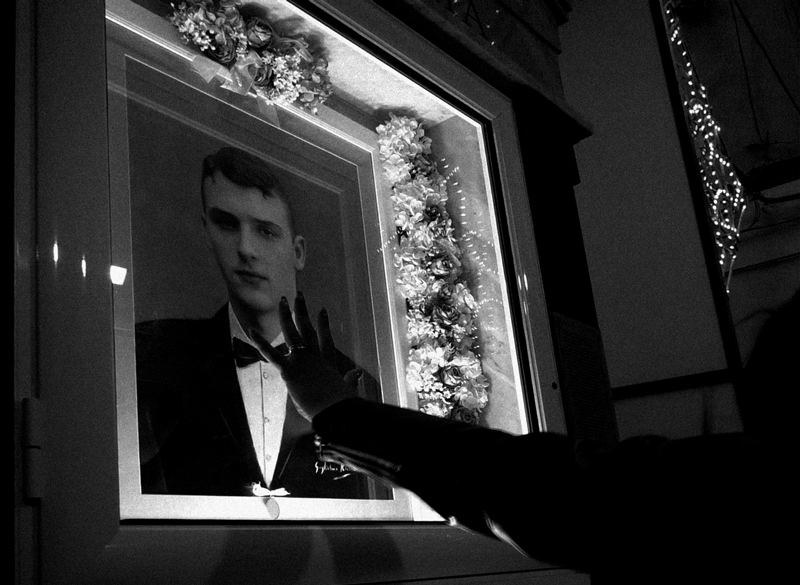


The “social question” in Naples is the permanent backdrop to the discourse on the city: as an endless emergency, latent violence, suffering both given and received. Its protagonists are subject to constant public scrutiny. Yet, its core remains a taboo: denied, immutable, unchanged over time. The reasons and essence of this phenomenon are not the subject of question and it never becomes a political issue. It may be beneficial to draw upon the theoretical insights of Frantz Fanon, rather than those that we inherited from Marx, to identify and bring it to light.
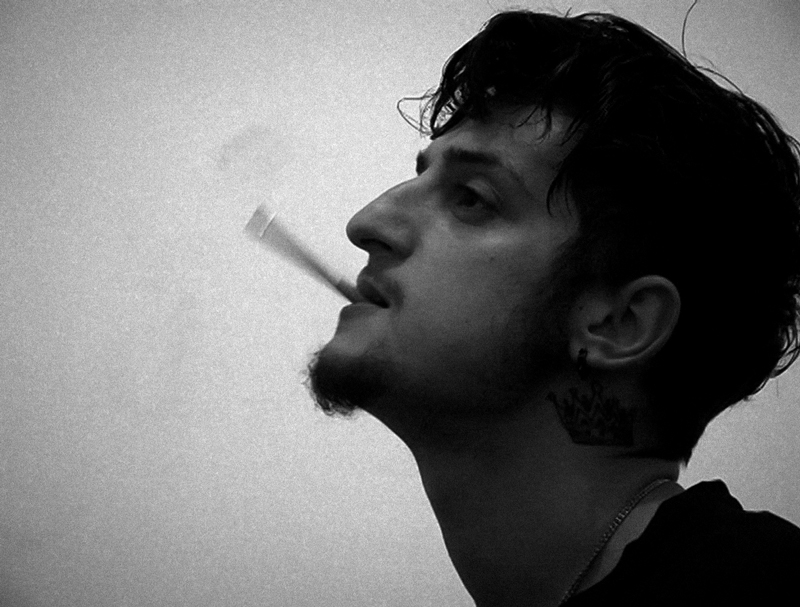
The stories of Pio, a precarious worker in the tourism industry; of Ugo’s family, seeking justice after the boy’s murder; and finally, the one of the organized unemployed who have been fighting for years for a dignified job, they reflect three movements along a single trajectory, which unites the lives of the invisible and voiceless of Naples.
APRILE 2026
VEN. 24 h20:00| ASTRADOC | NAPOLI + Q&A
LUN. 27 h21:00 | TIQU Teatro | GENOVA + Q&A
MAR. 28 h20:30 | CINEMA MASSIMO | TORINO + Q&A
GIO. 30 h19:10| BELTRADE | MILANO + Q&A
MAGGIO 2026
4 / 10 | CASACINEMA | NAPOLI
MAR. 5 h21:00 | GREENWICH | ROMA + Q&A
MER. 6 h21:00 | CINEMA ARSENALE | PISA + Q&A
MAR. 12 h20:30 | CINETEATRO DON BOSCO | POTENZA + Q&A
MER. 13 h19:30 | IL PICCOLO | MATERA + Q&A
VEN 15 h21:30 | CASACINEMA| NAPOLI + Q&A
SAB 16 h15:00 | CASACINEMA| NAPOLI
DOM 17 h15:00 | CASACINEMA| NAPOLI
VEN 22 h15:00 | CASACINEMA| NAPOLI + Q&A
SAB 23 h16:00 | CASACINEMA| NAPOLI
DOM 24 h16:00 | CASACINEMA| NAPOLI
GIUGNO 2026
SAB 13 h20:00 | FATIMA| SALERNO
SAB 27 h20:30 | CAFFÉ DELL’ORTO | BENEVENTO
LUGLIO 2026
SAB 18 h22:00 | CINEMA DEL REALE| CORIGLIANO D’OTRANTO (LE)
LUN 27 h20:30 | AIFF | ARIANO IRPINO (AV)
Padrone e sotto in concorso al Bergamo Film Meeting nella sezione Visti da vicino
Proiezione il 13 marzo 2026 ore 20:15 Sala dell’orologio, Bergamo
Sarà presentato in anteprima mondiale all’Algeri film festival.
Prima proiezione l’8 dicembre alle 15:00. Seconda proiezione 9 dicembre alle 14:00

Amaro, il film di Roberto-C è monito, archivio complesso, registro di anime che si inerpicano su un terreno insidioso, un purgatorio che frana sotto i piedi, che non conduce, anzi, il più delle volte sprofonda. Eppure capita che alcune volte queste anime arrivino fino in cima per fare loro, di un Garibaldi di turno, un invisibile fantasma. (Leggi qui)
Padrone e sotto è un’opera essenzialmente politica. Il filosofo francese Jacques Rancière nel suo Il disaccordo definisce la politica come l’azione di dare voce a chi è escluso, evidenziando il «torto» di chi è senza parte e ridefinendo il significato stesso di comunità. Ecco, Padrone e sotto racchiude tale interpretazione, illuminando la politica del quotidiano come conflitto fondamentale del sensibile che rompe l’ordine gerarchico della polizia. (leggi qui)
Padrone e sotto si impone come un documentario d’osservazione puro, privo di retorica, capace di seguire la traiettoria di tre storie esemplari. Vi troviamo l’esito di un percorso tragico, i cui rivoli conflittuali suggeriscono però, sottovoce, una verità ostinata: tra chi sta sopra e chi sta sotto non è mai detta l’ultima parola. (leggi qui)
Il cinema di Roberto-C. oltrepassa il documentario di creazione. È, forse, un cinema selvaggio che usa il reale non tanto come materiale documentario ma come crudezza narrativa. È un cinema sgranato, irregolare, inestetico ma sovversivo. (leggi qui)
Roberto-C. parla del suo nuovo film in tour nelle sale. Le giovani generazioni, le lotte organizzate. (leggi qui)
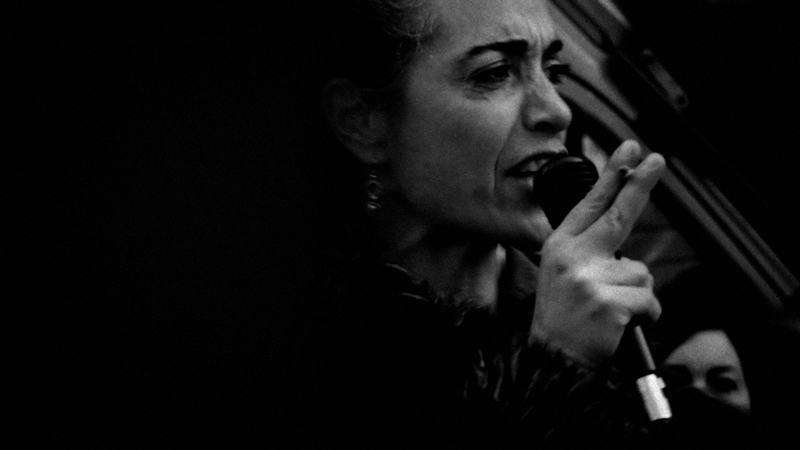
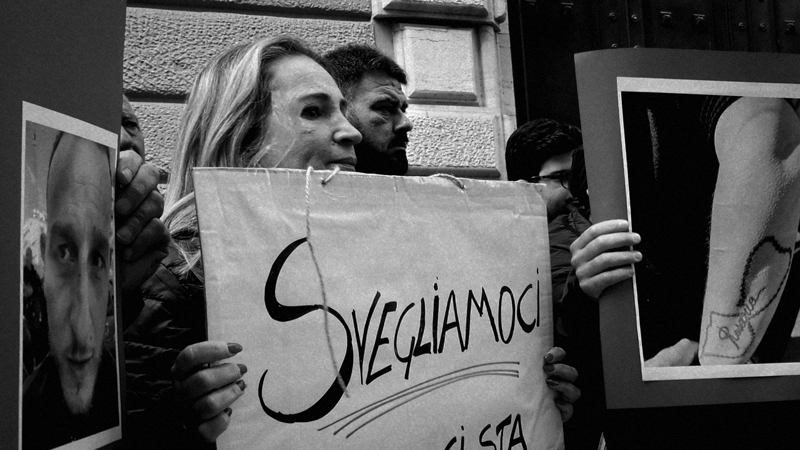
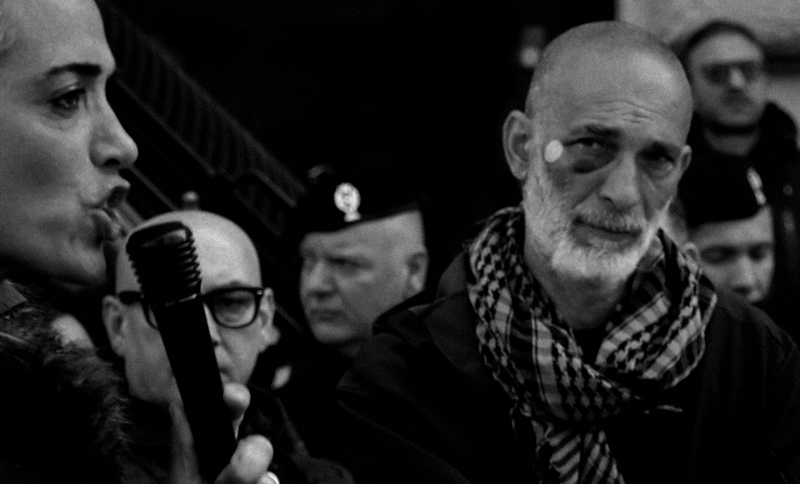
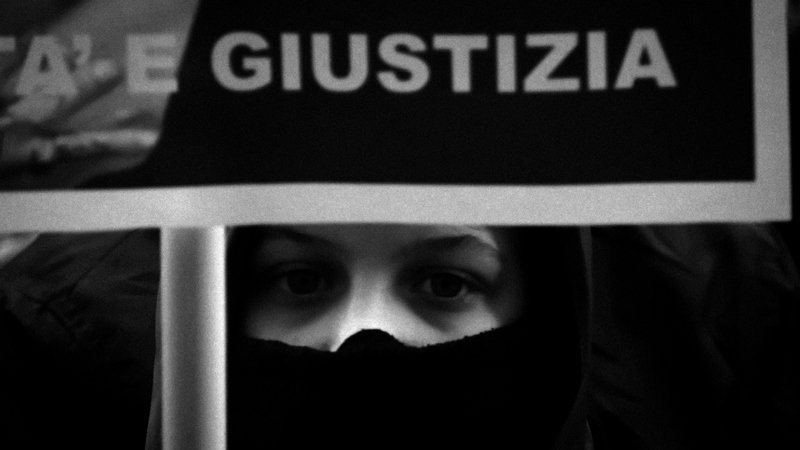
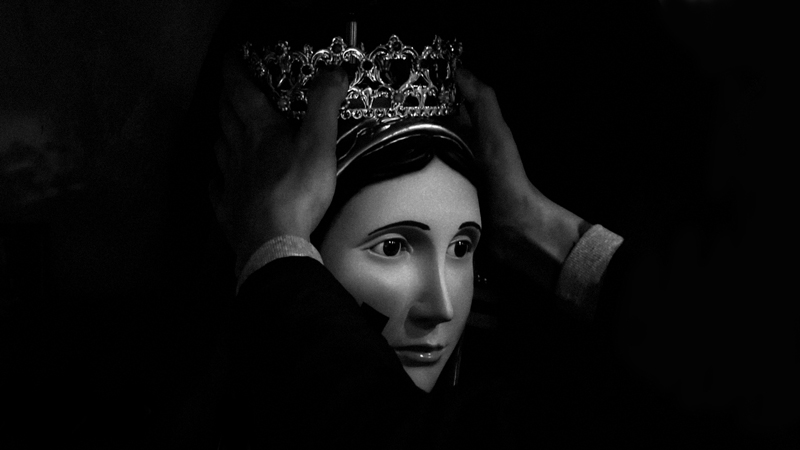
Lo sguardo del film si cala all’interno delle azioni di strada, ai presìdi, alle manifestazioni, a una processione che intreccia scandalosamente i santi e Ugo Russo lasciando emergere lo spirito indomito di una città invisibile ma decisa a non farsi calpestare né ridurre all’irrilevanza. Silvia Nugara (leggi qui)
To own the world in the form of images means, precisely,
to re-experience the unreality and remoteness of the real. (Susan Sontag)
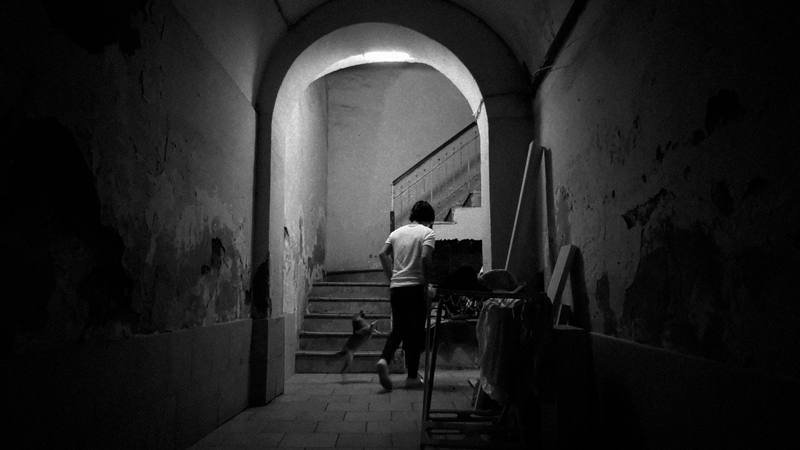
Our first two films were shot in the almost square 4:3 format. This was perhaps driven by the desire to establish an equal dialogue with archive images. A further impulse must have come to us directly from the light that falls from above in the alleys of Naples, diving between buildings and tracing their outlines. Verticality is needed to narrate the stratigraphy that goes up and down, from the low-rise buildings to the antennas; it is necessary to keep that inextricable tangle of misery and nobility in a single glance.
This time we added shots in 16:9 framing, letting the images compress and expand like an accordion. Always avoiding anything panoramic, stubbornly resisting a certain oleographic narrative of the city, that is all too often made up of views that do not truly look. On one hand, we reduce the filmic space to avoid distractions and winks; on the other, we expand the gaze, reverse its course, to stay in the focus, merging with reality without renouncing to mix it with a lie fertile with sorcery. So, in this film, things and people appear and disappear, they dig and are dug, they are visible yet not perceived, they advance and retreat in time.
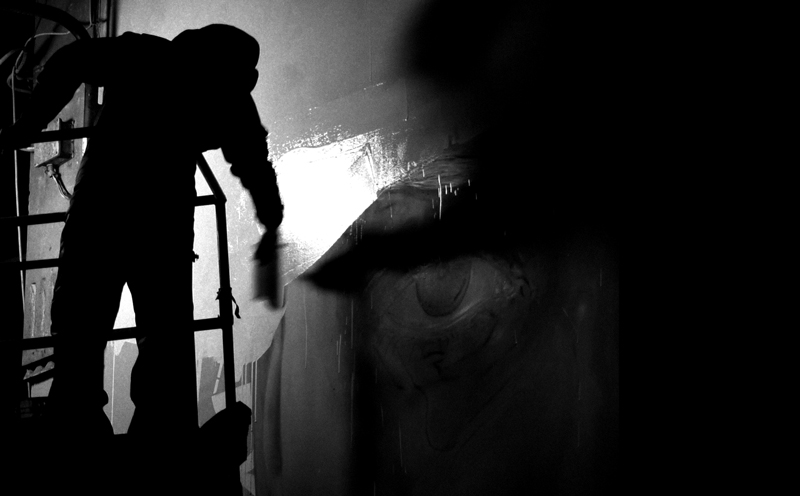
We see giant paintings that vanish and reappear, frosting faces that are chewed up, sewn and unsewn drapes, thumping sounds and deafening visions. It is the eternal battle of images, which are everywhere yet risk being lost in the continuous flood of the present MediaAge.
When we talked about this movie in our conversations we summarized it as “crushed, exploited, untamed”. Some are crushed: they are constrained by a racial stigma based, and rarely manage to escape the vicious circle of crime, prison, and death (Ugo). Others – the majority – are exploited: they have miraculously escaped a life of deviance, only to be fed into the meat grinder of a miserable wage. They set aside all other desires and enclose in families that become their prisons (Pio). Finally, the untamed derail from the path laid out for them, when someone (Eddy, Mimi) shows them that by banding together they can reclaim not just survival, but the happiness and awareness that capitalism deliberately buries for them (Angelo, all the organized unemployed workers). They struggle therefore they are. This is perhaps the only way to “break the flow of the inherited teardrops”.